


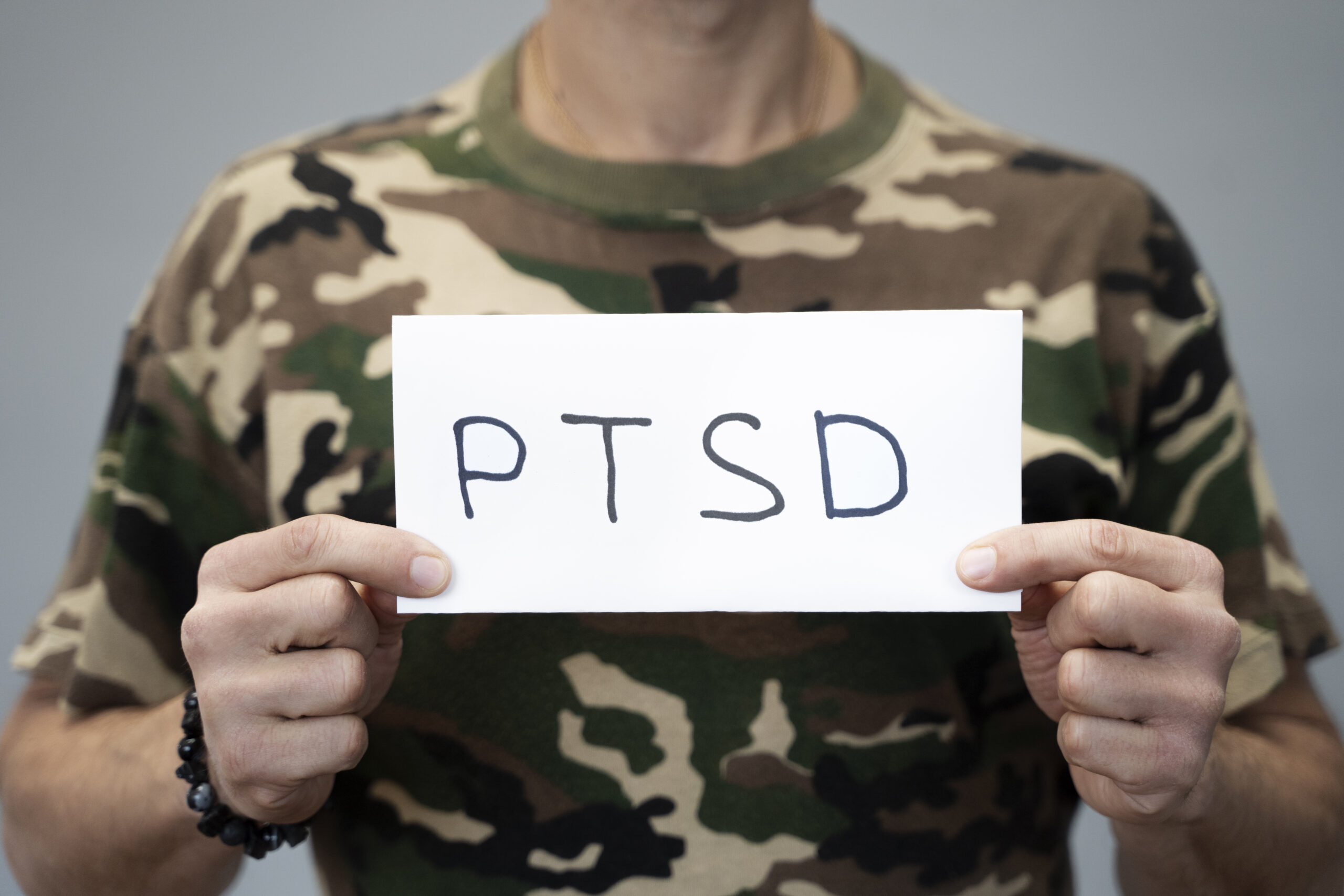
Post-Traumatic Stress Disorder (PTSD) is a serious mental health condition that can develop after an individual experiences or witnesses a traumatic event. It affects millions of people worldwide and often impacts emotional health, relationships, and the ability to function in daily life. Symptoms such as flashbacks, avoidance, and heightened anxiety can make even simple tasks overwhelming. While the challenges of PTSD are significant, healing is possible. Many effective PTSD support and treatment options are available to help individuals regain a sense of stability and strength. This article explores therapies, resources, and supportive approaches that encourage meaningful recovery.
Understanding PTSD: Causes, Symptoms, and Life Impact
Post-Traumatic Stress Disorder (PTSD) is a mental health condition that develops after exposure to traumatic experiences such as combat, physical assault, serious accidents, or natural disasters. Unlike temporary stress reactions, PTSD symptoms continue over time and significantly interfere with daily responsibilities and routines. This condition can affect a person’s thoughts, feelings, and functioning, making it challenging to maintain stability without the right support.
PTSD often presents through recurring intrusive thoughts, flashbacks, or nightmares, as well as avoidance of reminders linked to the trauma. Individuals may also experience guilt, emotional numbness, or heightened arousal that leads to irritability and sleep difficulties. These symptoms extend beyond the individual, affecting work, relationships, and health. Exploring PTSD support and treatment options is essential for recovery.
Professional PTSD Treatment Options
Finding the right care is an essential step in healing from trauma. Professional treatments provide structured approaches that help individuals manage symptoms, process experiences, and regain balance. These methods often include psychotherapy approaches, medication support, and alternative therapies, all of which can be part of adequate PTSD support and treatment options tailored to individual needs.
Cognitive Behavioral Therapy (CBT)
CBT focuses on identifying negative thought patterns and replacing them with more positive and healthier perspectives. It provides practical tools to reduce distress and improve coping skills.
Eye Movement Desensitization and Reprocessing (EMDR)
EMDR uses guided eye movements to help the brain reprocess traumatic memories. Many find this approach effective for lowering emotional distress connected to past events.
Exposure Therapy
By safely confronting trauma-related triggers, exposure therapy helps reduce avoidance behaviors and fosters resilience over time. This approach enables individuals to confront situations, memories, or feelings that they might otherwise avoid gradually, thereby weakening the power of traumatic reminders. Over time, repeated exposure in a controlled and supportive environment can lessen fear responses and increase confidence in handling stress.
Medication Support
Medications such as antidepressants, anti-anxiety drugs, and sleep aids can ease symptoms and enhance the effectiveness of counseling. Often, medication works best when used in conjunction with therapy.
Alternative Therapies
Mindfulness, meditation, yoga, and somatic practices help regulate emotions and reconnect body and mind. Creative outlets, such as art and music therapy, also encourage healing expression.
PTSD Support Systems
Family and Friends
Support from loved ones can make a significant difference. Family and friends can help by listening without judgment, encouraging professional treatment, and learning about PTSD to understand better what their loved one is experiencing.
Support Groups
Support groups provide safe spaces where individuals with PTSD share experiences and coping strategies. These groups foster connection, reduce isolation, and provide encouragement from peers who truly understand the challenges.
Community and Online Resources
Hotlines, nonprofit organizations, and online forums provide immediate access to support. Virtual spaces also connect individuals to resources when in-person options are limited.
Lifestyle and Self-Help Strategies
Professional treatment is essential for managing PTSD, but lifestyle choices also play an important role in recovery and long-term well-being. Simple daily habits can provide additional support alongside therapy. Here are some effective strategies to consider:
- Exercise: Regular physical activity helps lower stress hormones, release endorphins, and improve overall mood.
- Nutrition: Eating a balanced diet promotes stable energy levels and supports emotional health.
- Sleep hygiene: Consistent, restful sleep strengthens brain health and enhances resilience against stress.
- Journaling and creative expression: Writing, drawing, or engaging in the creative arts offers a positive outlet for emotions and helps process experiences.
- Stress reduction techniques: Activities such as deep breathing, grounding practices, and relaxation exercises help calm the mind and restore balance.
Choosing the Right PTSD Support and Treatment Options
Finding effective care requires consideration of personal needs and preferences.
- Severity of Symptoms: Some individuals may require medication in conjunction with therapy, while others may benefit from counseling alone.
- Personal Comfort: The relationship with a therapist plays a crucial role in achieving personal comfort and well-being. Comfort, trust, and open communication should guide the choice.
- Accessibility: Practical factors, such as location, availability, and affordability, influence treatment decisions.
Often, the best results come from combining approaches. Therapy, medication, and self-help strategies can work together to support healing and recovery. Professional guidance ensures that the chosen treatment plan addresses both immediate needs and long-term recovery.
Why Choose Nancy Spears Counseling Services
Nancy Spears Counseling Services is dedicated to providing compassionate, evidence-based care tailored to meet the unique needs of each client. With a strong focus on trauma-informed therapy, individuals receive support in a safe, welcoming, and understanding environment that encourages healing at a comfortable pace. The practice takes a holistic approach, combining proven therapeutic techniques with personalized strategies that address both emotional and practical challenges. By focusing on the whole person rather than just their symptoms, clients are empowered to build resilience, enhance their well-being, and achieve meaningful progress. This thoughtful and supportive care makes Nancy Spears Counseling Services a trusted choice for lasting recovery.
FAQs about PTSD Support and Treatment Options
To provide further clarity and address common concerns, here are answers to frequently asked questions about PTSD support and treatment options:
Q: How long does PTSD treatment take?
A: The duration varies depending on individual needs. Some may experience improvement within a few months, while others may benefit from ongoing support over a longer period.
Q: Can PTSD go away without treatment?
A: For some, symptoms lessen over time, but many require professional intervention. Early treatment typically leads to better outcomes.
Q: Are online therapy sessions effective for PTSD?
A: Yes, online counseling can be highly effective, especially for those with limited access to in-person services. Many individuals find comfort in receiving support from home.
Q: What role does family play in recovery?
A: Family involvement provides encouragement, stability, and understanding. When families learn about PTSD, they can better support their loved one’s healing journey.
Finding Hope: Effective PTSD Support and Treatment Options
Living with PTSD can feel overwhelming, but recovery is possible with the right help. Accessing adequate PTSD support and treatment options allows individuals to explore proven therapies, connect with supportive communities, and embrace self-care practices that encourage resilience and healing. Approaches such as counseling, peer groups, and adopting a healthy lifestyle all contribute to creating a stronger foundation for long-term well-being.
Healing begins with taking the first step toward professional support. Nancy Spears Counseling Services offers personalized care tailored to each individual’s needs. Reach out today to explore options designed to provide guidance, compassion, and effective strategies that move you toward a healthier, more balanced life filled with renewed hope.